
Drag and Drop Vocal Presets That Work
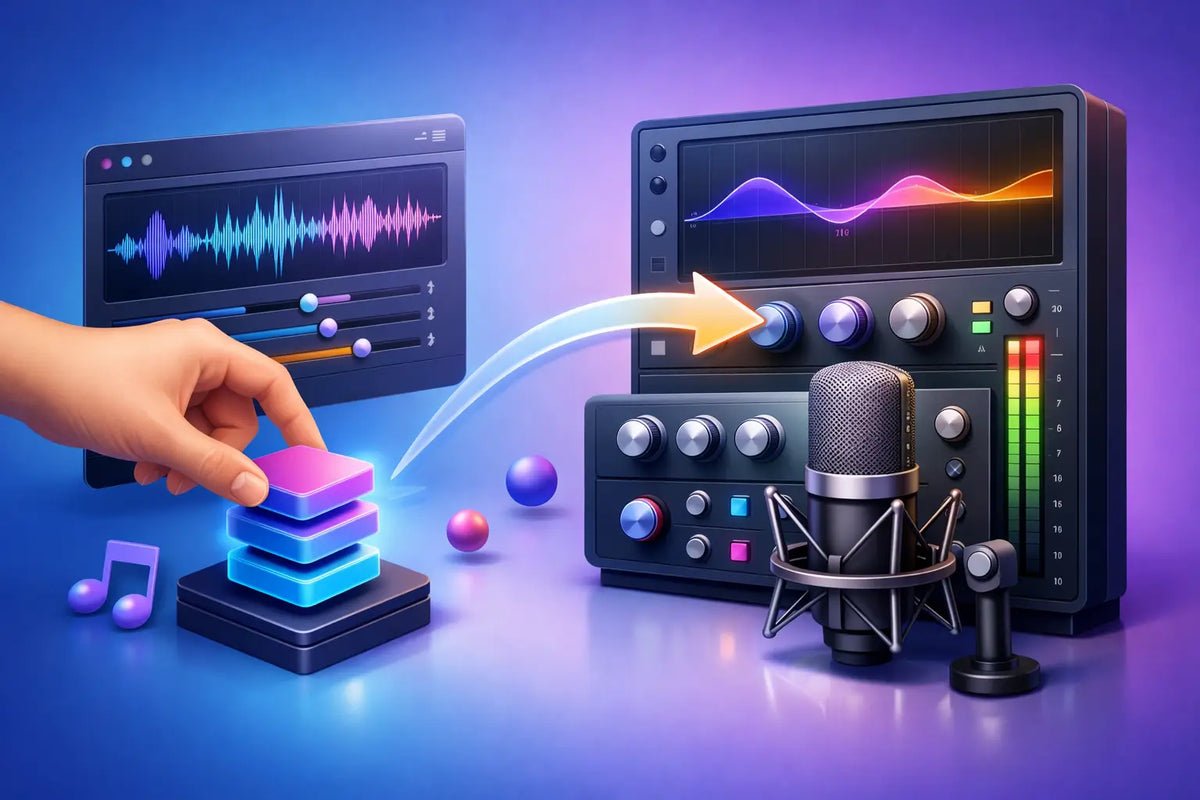
You can spend three hours stacking EQ, compression, de-essing, saturation, and reverb - or you can record the take, load a chain, and hear your vocal sound closer to finished right away. That is why drag and drop vocal presets have become a go-to tool for bedroom producers, artists, and beatmakers who want pro-sounding vocals without turning every session into a mixing class.
The appeal is simple. Most creators are not struggling because they lack ideas. They are stuck because their vocals sound thin, harsh, muddy, buried, or just inconsistent from song to song. A preset built for vocals cuts through that problem fast. Instead of guessing which stock plugin to load first, you get a chain that is already shaped around a result - cleaner rap vocals, brighter pop leads, wider melodic ad-libs, tighter background stacks, or a darker artist-style tone.
What drag and drop vocal presets actually do
At their best, drag and drop vocal presets are not magic. They are smart starting points that remove the slowest part of the process. A solid preset usually gives you a full vocal chain in one move, often including EQ, compression, de-essing, reverb, delay, saturation, pitch correction routing, and gain staging choices that make sense together.
That matters because vocals rarely fail from one bad plugin. They fail when the whole chain is working against itself. Too much low end hits the compressor, the compressor overreacts, the top end gets harsh, then reverb makes the mess bigger. A well-built preset avoids that domino effect. It is designed so each move supports the next one.
For newer artists, this means less trial and error. For more experienced producers, it means speed. You still have control, but you skip the blank-canvas problem.
Why drag and drop vocal presets are blowing up
The home studio standard has changed. Artists are recording in untreated bedrooms, on budget interfaces, on USB mics, on entry-level condensers, and sometimes between content shoots and day jobs. They do not want a lecture on ratio settings every time they cut a verse. They want to sound good now.
That is exactly where presets make sense. They match how modern creators work - fast ideas, fast revisions, fast uploads. If your workflow depends on getting from recording to rough mix in minutes, not hours, presets are less of a shortcut and more of a survival tool.
There is also a money angle. Hiring an engineer for every demo, TikTok snippet, YouTube performance, or independent single is not realistic for most artists. Presets offer a cheaper path to cleaner vocals, especially when they run on stock plugins inside DAWs people already own.
The real difference between good and bad preset packs
Not every preset pack deserves the hype. Some sound impressive for ten seconds and then fall apart in a real session. Others are overloaded with effects that make every vocal sound hyped, brittle, or washed out.
A good vocal preset pack sounds polished without boxing you in. The chain should improve the vocal, not force every singer and rapper into the exact same tone. That means the best presets are balanced enough to work fast, but flexible enough to tweak when needed.
Stock-plugin compatibility is a big deal here. If a preset needs a stack of expensive third-party tools, it stops being easy. The whole point is speed and accessibility. A preset should drop into Logic Pro, FL Studio, Ableton, Pro Tools, GarageBand, or BandLab and get moving without sending you into a plugin shopping spree.
Installation matters too. If loading the chain feels harder than mixing from scratch, the product missed the point.
Who gets the most out of drag and drop vocal presets
The obvious answer is beginners, but that is only half true. Newer artists benefit because presets remove technical friction and help them hear what a more polished chain is supposed to do. Instead of mixing blind, they start with a usable sound and learn from that.
Intermediate producers may benefit even more. They already know what EQ and compression do, but they do not want to rebuild a vocal chain every session. Presets let them move faster, stay creative longer, and spend their energy on performance, arrangement, and final tweaks instead of repetitive setup.
They are especially useful for artists who record themselves. When you are the singer, engineer, editor, and marketer all at once, any tool that saves time matters.
What to expect when you load a preset
The biggest win is immediacy. You drop in a preset, and the vocal usually comes forward, feels tighter, and sits better in the instrumental. That quick improvement is motivating. It makes you want to keep recording instead of second-guessing the take.
But this is where honesty matters - presets are not a replacement for a decent recording. If the mic is clipping, the room sounds terrible, or the take is wildly inconsistent, no chain will fully fix that. A preset can improve a rough vocal, but it works best when the source is at least usable.
Gain level also changes everything. A preset that sounds perfect on one vocal may hit too hard or too softly on another simply because the input level is different. That is not a failure of the preset. It just means the smartest users treat presets like a launchpad, then adjust threshold, output, wet-dry balance, or EQ bands as needed.
How to use drag and drop vocal presets the right way
Start with the preset that matches the song, not just the artist reference. A bright pop chain may sound wrong on a dark trap vocal, even if both are technically modern. Think in terms of energy, density, and space.
Next, listen for what changed after loading it. Did the vocal get clearer? More controlled? Too sharp? Too wet? Those quick reactions tell you where to tweak. Usually, small moves are enough. Pull back the reverb, trim a harsh top band, or ease the compressor if the performance starts sounding choked.
Also, soloing the vocal too much can trick you. Presets should be judged inside the beat. A chain that sounds slightly dry alone may sit perfectly once the instrumental is playing. Context wins.
If you record doubles, harmonies, and ad-libs, do not force the same exact chain on every layer. Lead vocals often need more focus and control, while background parts can take more width, ambience, or filtering. Good preset workflows move fast, but they still respect arrangement choices.
When custom vocal presets make more sense
There is a point where a generic preset pack is not enough. If your voice is unusually bright, very deep, heavily dynamic, or recorded on a specific setup that always behaves the same way, a custom-built chain can save even more time.
That is the next level. Instead of trying five presets to find a close fit, you get one designed around your voice and your recording chain. For artists who release often, that consistency is huge. Your mixes come together faster, and your vocal identity stays more recognizable from track to track.
This is where a brand like VoxTune fits naturally. The strongest value is not just making vocals sound better. It is removing the setup friction that kills momentum.
Are presets cheating?
No. That idea usually comes from people who confuse tools with talent. A preset does not write a better hook, tighten your timing, or fix a weak performance. It just helps your vocal sound more finished, faster.
Music production has always used shortcuts that became standard practice. Channel strips, templates, favorite chains, saved mixer settings - same concept. Drag and drop presets just package that workflow in a way that is easier for more creators to use.
The trade-off is simple. If you rely on presets without listening critically, your mixes may all lean in the same direction. But if you use them as fast, strong starting points, they can seriously improve both speed and quality.
Why speed matters more than people admit
A lot of unfinished songs are not abandoned because the idea was weak. They die in the mixing stage. The artist gets excited, records the vocal, hears it sounding amateur, loses momentum, and closes the session.
That is the biggest reason drag and drop vocal presets matter. They keep the creative flow alive. When your vocal sounds cleaner, fuller, and more confident right away, you stay in the record longer. You keep making decisions. You finish more songs.
And that is the real edge. Not just sounding more professional, but removing the friction between the idea in your head and the version coming out of your speakers.
If your current vocal process feels slow, messy, or hit-or-miss, the smartest move is not always learning ten more mixing tricks. Sometimes it is choosing tools that get you to a better sound before the session loses its spark.